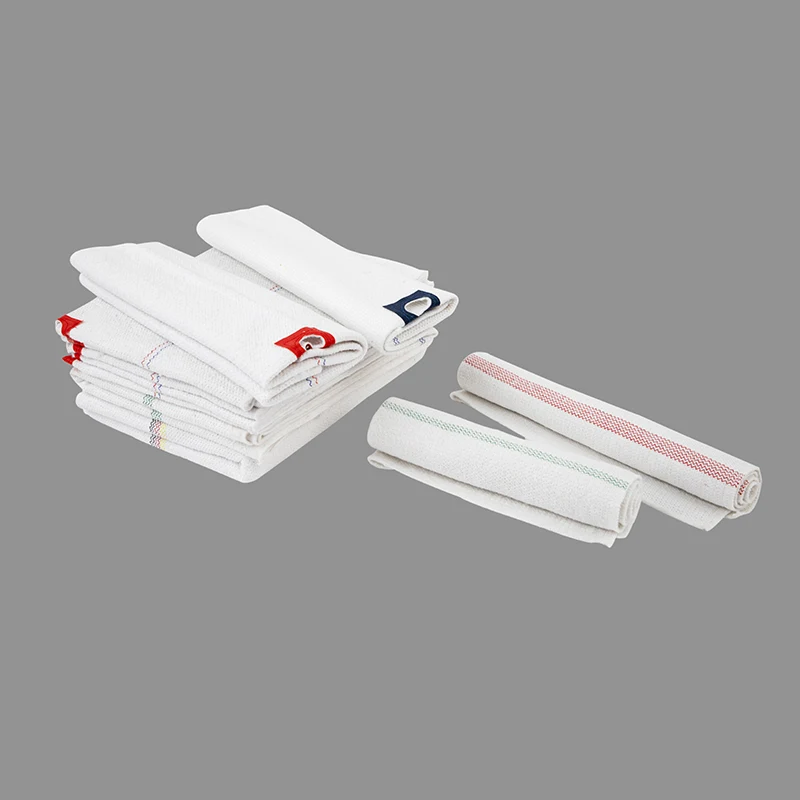

Sample swatches are typically cut from ideal central‑web positions of pilot production rolls. During full‑scale non‑woven manufacturing, uneven fiber‑laydown across full web‑width generates hidden absorbency gradients. While central‑zone material satisfies contractual absorbency figures, web‑edge zones display reduced liquid‑uptake capability. After being slit into finished‑size cleaning‑cloth units, end‑users receive mixed‑performance cloths cut from differing roll‑regions. Simple central‑position sample‑testing cannot expose this cross‑roll variance. WZLX Textiles extracts test specimens across multiple transverse positions for every completed production roll. Absorbency acceptance thresholds apply to full‑web width, stabilising lot‑to‑lot liquid‑absorption consistency for bulk janitorial‑supply deliveries.
Lab‑based absorbency testing executes single‑shot liquid‑absorption measurement without repeated mechanical rubbing. In real‑world facility‑cleaning scenarios, grey floor‑cleaning‑cloth undergoes continuous wet friction against rough tile, concrete and epoxy‑floor surfaces. Progressive bond‑breakage inside non‑woven fiber‑networks triggers lint‑shedding and cloth‑thinning after repeated mopping cycles. Cloths that perform well in one‑time lab‑tests degrade quickly under real‑janitorial repeated‑use conditions. WZLX Textiles carries out accelerated wet‑abrasion lab simulation replicating typical commercial‑facility mopping routines. Post‑cycling lint‑residue and tensile‑retention metrics set lot‑acceptance boundaries, lowering premature fiber‑shedding field‑complaint probability for facility‑service‑destined cleaning‑cloth batches.
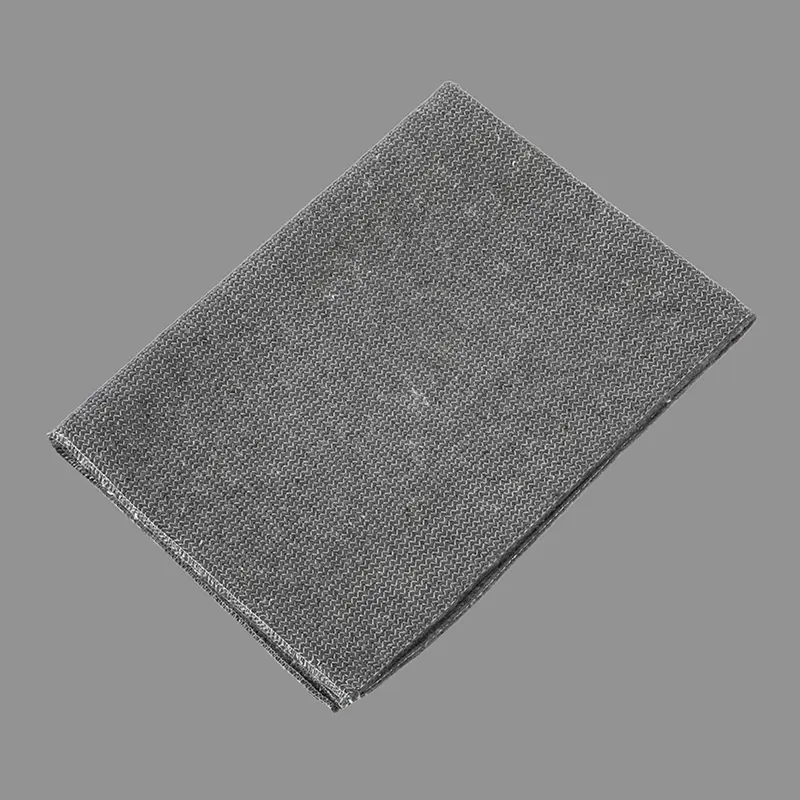
Pilot‑sample production utilises freshly‑refurbished embossing rollers. Over extended non‑woven‑production campaigns, embossing‑roll surface texture suffers incremental abrasive‑wear. Shallow‑erased emboss patterns weaken cloth’s mechanical dirt‑gripping capability. Even though base‑material fiber‑blend and absorbency‑index remain unchanged, real‑world soil‑lifting performance slowly declines across successive production lots. Visual static sample comparison struggles to recognise subtle emboss‑texture degradation. WZLX Textiles implements cycle‑count‑tied emboss‑roll inspection triggers. Roll‑surface refurbishment gets scheduled once reaching defined output thresholds, locking‑in soil‑retention performance for serial‑produced grey floor‑cleaning‑cloth.
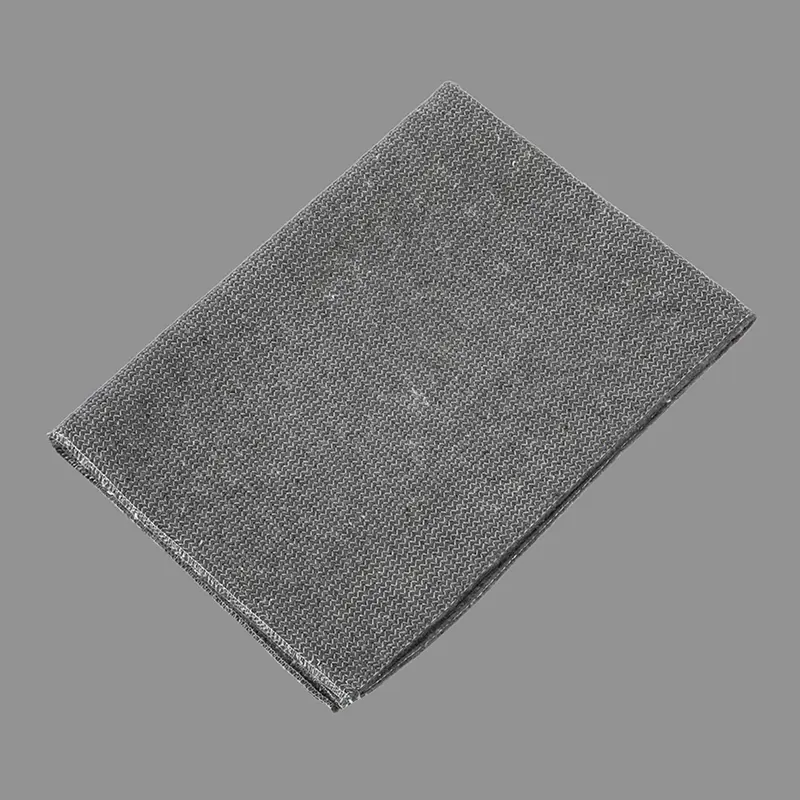
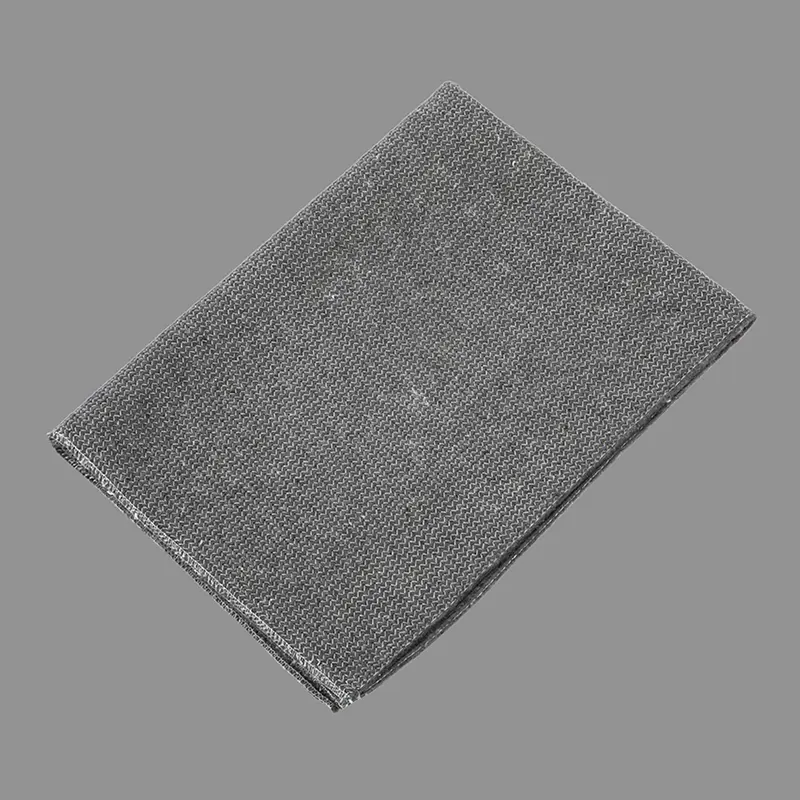
Many private‑label janitorial‑product lines require uniform neutral‑grey visual presentation across carton‑packed assortments. Individual dye‑lab sample‑pieces may hit target grey‑tone specification. In continuous textile‑dyeing operations, minor dye‑bath concentration drift creates perceptible shade‑delta between production lots. When mixed together inside retail cartons, visually mismatched cloth units damage brand‑uniform shelf‑presentation, even though absorbency and mechanical‑properties stay compliant. WZLX Textiles executes instrumental colour‑difference measurement per dye‑lot. Shade‑tolerance thresholds prevent out‑of‑range grey‑tone output, maintaining visual‑consistency for private‑label carton‑packed janitorial‑consumable SKUs.
Lab‑test cloth‑samples are stored inside climate‑stable dry‑lab environments. During ocean‑freight container‑transport, bulk‑packed non‑woven cloth absorbs ambient high‑humidity vapour. Without properly stabilised fiber‑bonding formulation, temporary moisture‑ingress alters apparent absorbency‑response when end‑users first deploy cloths upon container‑arrival. These transient property‑shifts are non‑existent for dry‑lab‑samples. WZLX Textiles performs humidity‑chamber transit‑simulation for finished‑cloth bulk‑pack configurations. Post‑moisture‑exposure absorbency re‑measurement validates real‑world shipping‑stability, avoiding post‑import unexpected‑performance feedback from overseas janitorial‑distributors.
Large‑scale European and North‑American facility‑service procurement contracts demand traceable non‑woven raw‑material documentation for cleaning‑consumable lots. Isolated golden‑sample test‑reports originating from pilot‑runs possess no audit‑validity for serial‑production shipments. Without lot‑specific English‑language fiber‑blend and chemical‑treatment‑declaration dossiers, private‑label goods risk supplier‑audit non‑compliance. WZLX Textiles compiles unified lot‑wise traceability‑dossiers for grey floor‑cleaning‑cloth orders. Complete material‑record archives support janitorial‑distributor and facility‑service‑brand audit‑procedures without additional third‑party‑lab‑testing expenditure.