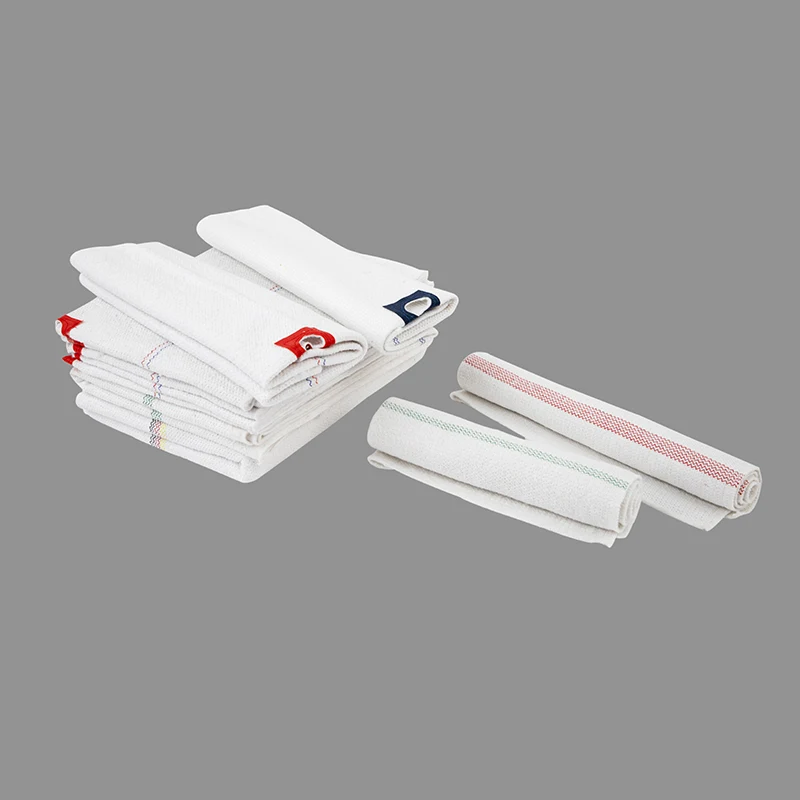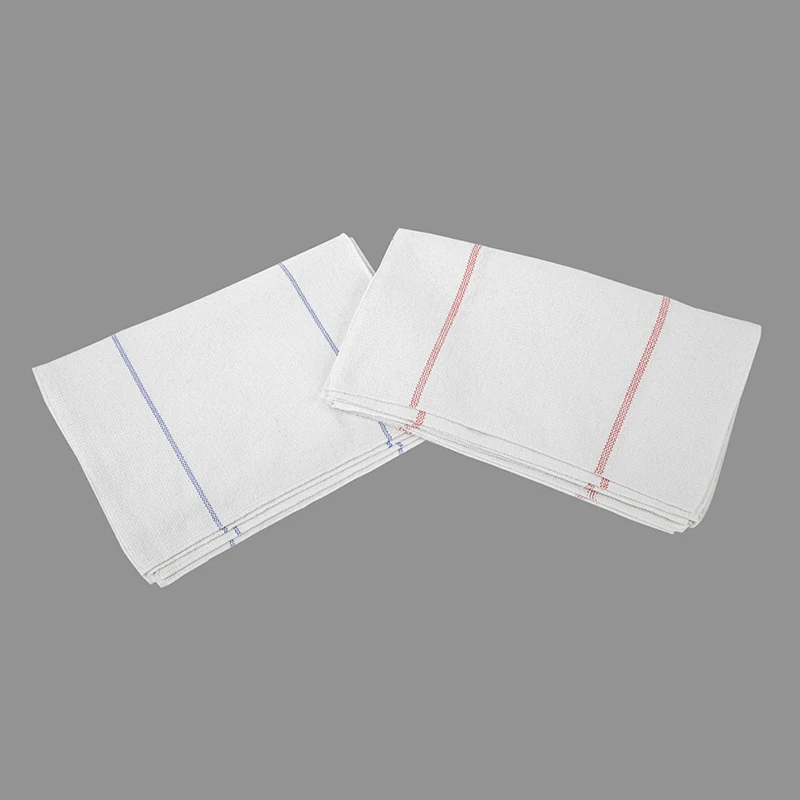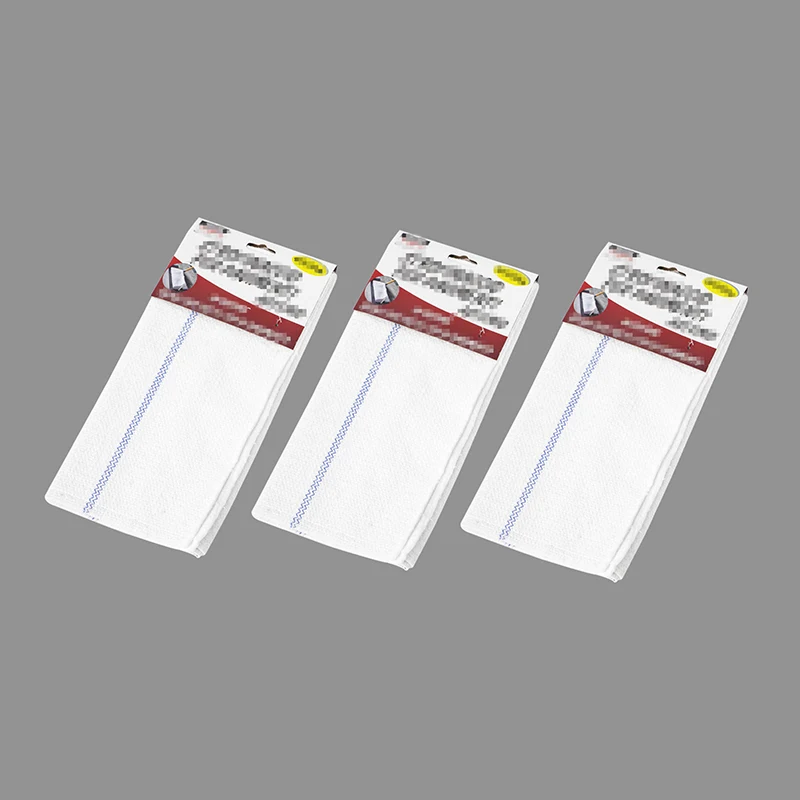

Hotel linen suppliers, home goods chain retailers and facility cleaning distributors face recurring negative feedback from dyed mop cloth products. Color-shedding fabrics stain light wood and ceramic floors; dark textiles hide residual grime leading to repeated wiping work; rough woven surfaces scratch high-end flooring finishes, and loose yarn creates secondary lint cleanup labor. Lixing Textile’s pure undyed white floor cleaning cloth abandons all pigment additives and adopts refined soft weaving technology, targeting multi-scene cleaning pain points for homestays, commercial offices and household consumers, forming high-repeat cleaning consumable SKUs with low after-sales rates.
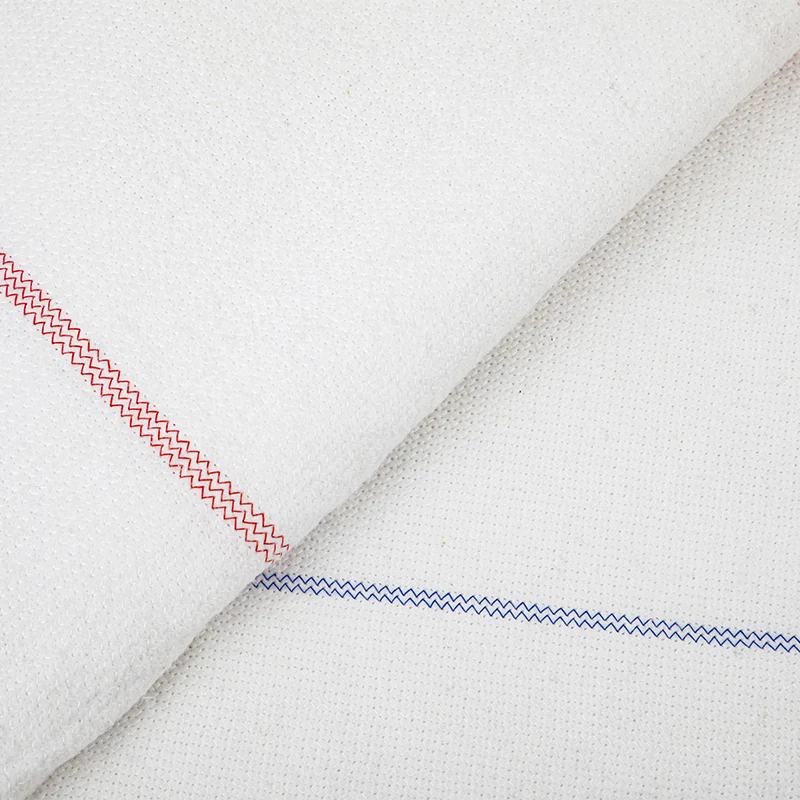
Common colored cleaning cloths rely on industrial dyes fixed by weak adhesives; after repeated soaking and friction, loose pigment transfers onto oak flooring, light tiles and laminate surfaces, leaving hard-to-remove faded stains that damage decoration effects. This white cloth adopts 100% undyed virgin textile raw materials without any colorant infusion, so there is zero risk of color bleed during wet mopping. For high-end homestays, luxury apartments and mall stores equipped with light-toned floor materials, it completely erases customer complaints about cloth staining floors and cuts post-renovation touch-up maintenance costs.
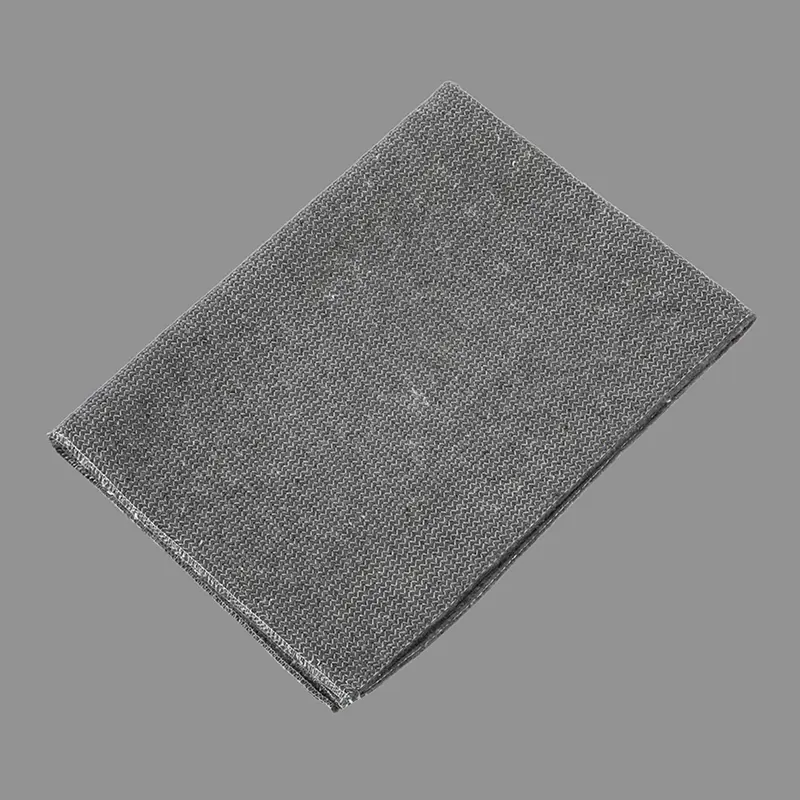
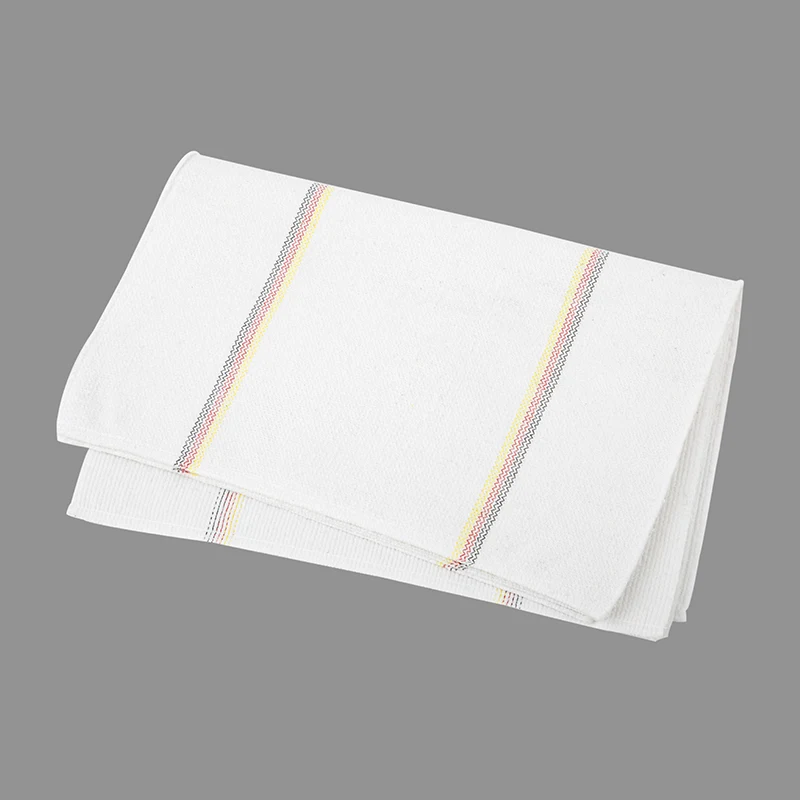
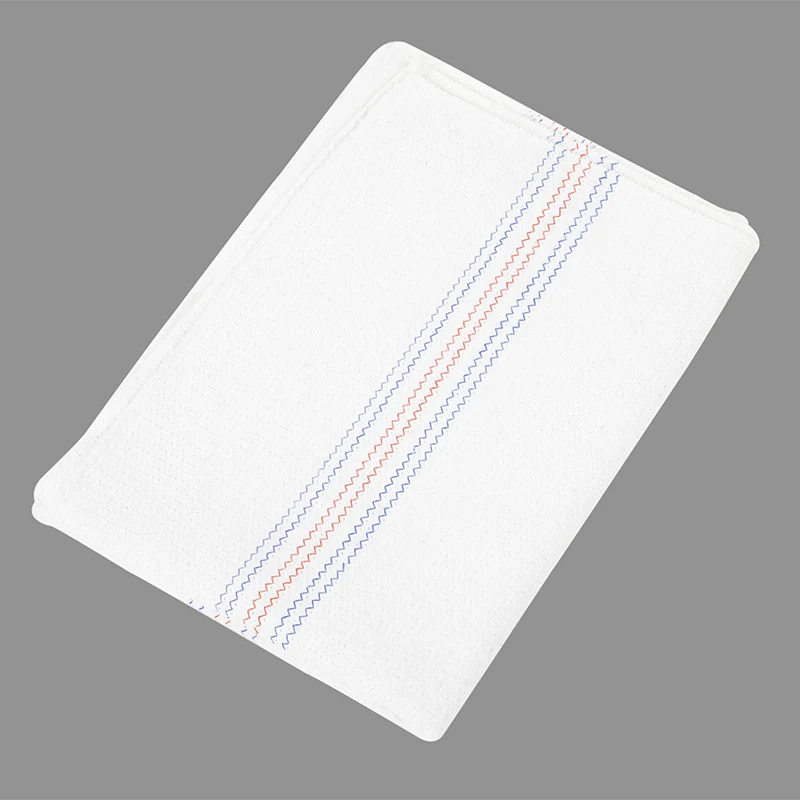
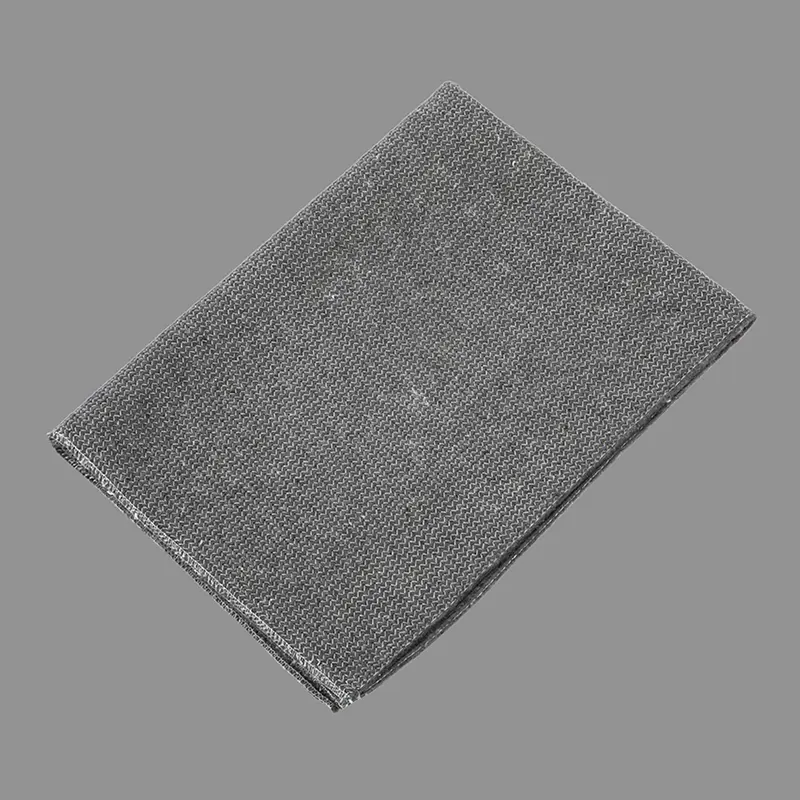
Dark grey, black mop cloths mask fine dust, hair and oil residues during cleaning; housekeepers cannot intuitively judge clean areas, forcing back-and-forth repeated wiping and extending daily room turnaround time. The bright white textile surface presents all residual dirt, hair and muddy marks at a glance, allowing cleaning staff to target contaminated zones one pass only. Chain hotels and large office facilities can reduce daily housekeeping working hours by a noticeable margin, lowering long-term labor expenditure for cleaning teams and boosting room turnover efficiency during peak travel seasons.
Coarse thick woven rags and low-cost microfiber cloths contain rigid hard yarn burrs, which leave fine scratch lines on solid wood, polished tile and waterproof laminate after frequent mopping. The fabric of this white floor cloth undergoes secondary softening finishing treatment, forming smooth, flexible fiber surfaces with no sharp protrusions. It safely matches all mainstream floor materials without leaving abrasion traces, a core selling point for home retailers targeting families with high-value floor renovation investments to differentiate from cheap rough cleaning textiles.
Two extreme absorption flaws trouble ordinary cleaning cloths: ultra-thin fabrics leave large water puddles that create slip risks for the elderly and children; over-thick cotton cloths absorb excessive moisture and become heavy, slowing wiping speed. This product tunes fiber density to achieve balanced water locking capacity, absorbing surface spillages quickly while releasing excess moisture evenly during mopping. Floors finish damp-free without slippery water film, reducing safety accident risks for residential and commercial premises and eliminating consumer worries about indoor slip injuries.
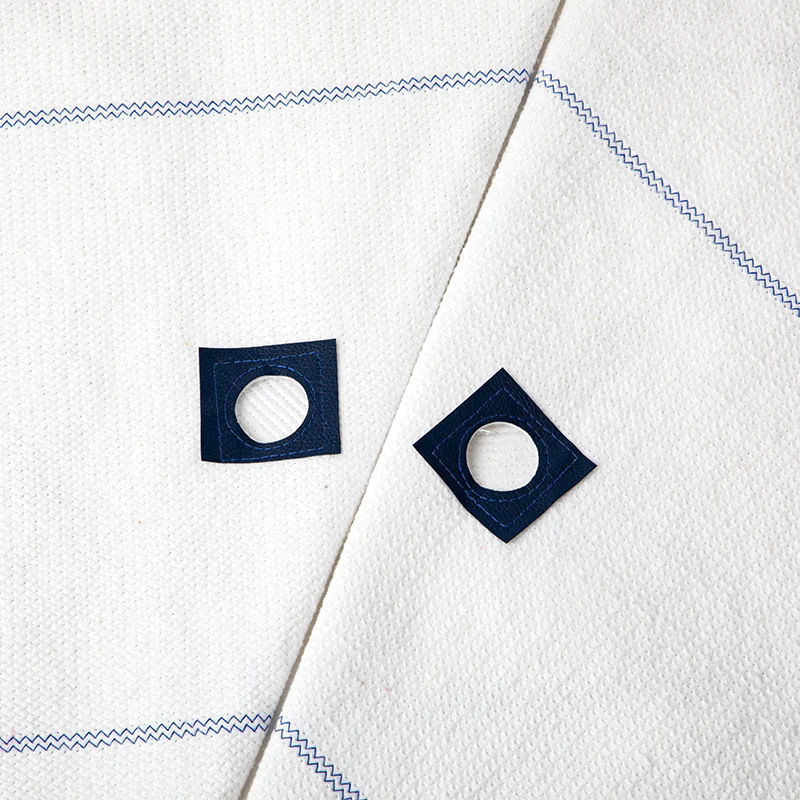
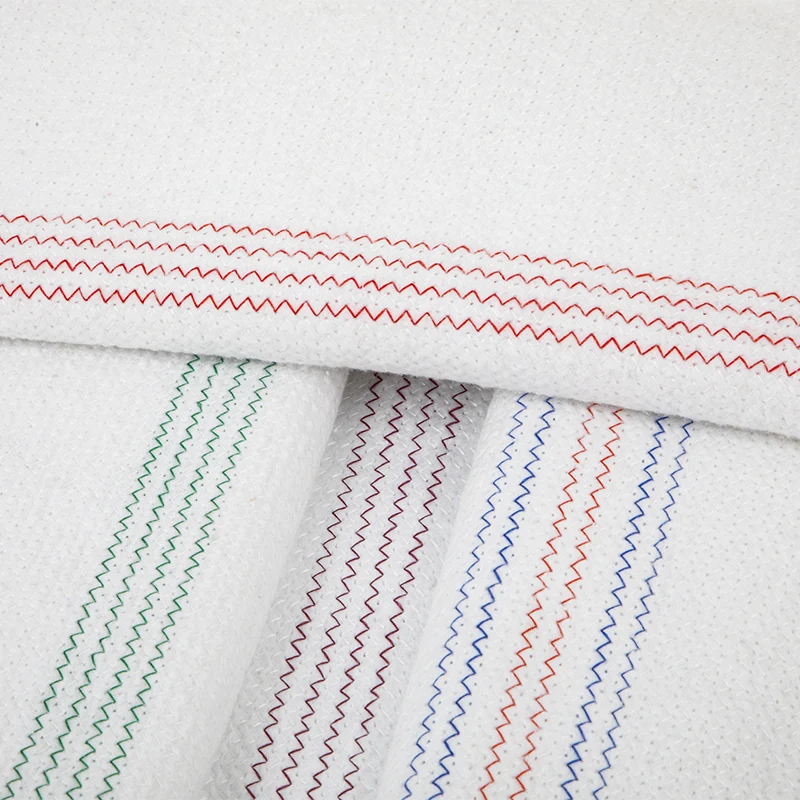
Cheap cleaning cloths adopt raw unstitched edges; after dozens of wash cycles, loose yarn sheds onto floors, furniture and skirting boards, requiring extra dry wiping to remove residual lint. Every edge of the white floor cloth adopts dense multi-thread lockstitch technology, paired with compact interlaced fiber weaving that holds yarn firmly even after hundreds of washing cycles. No floating lint remains after mopping, removing the extra secondary cleaning step and cutting daily cleaning workload for both household users and commercial housekeeping teams.
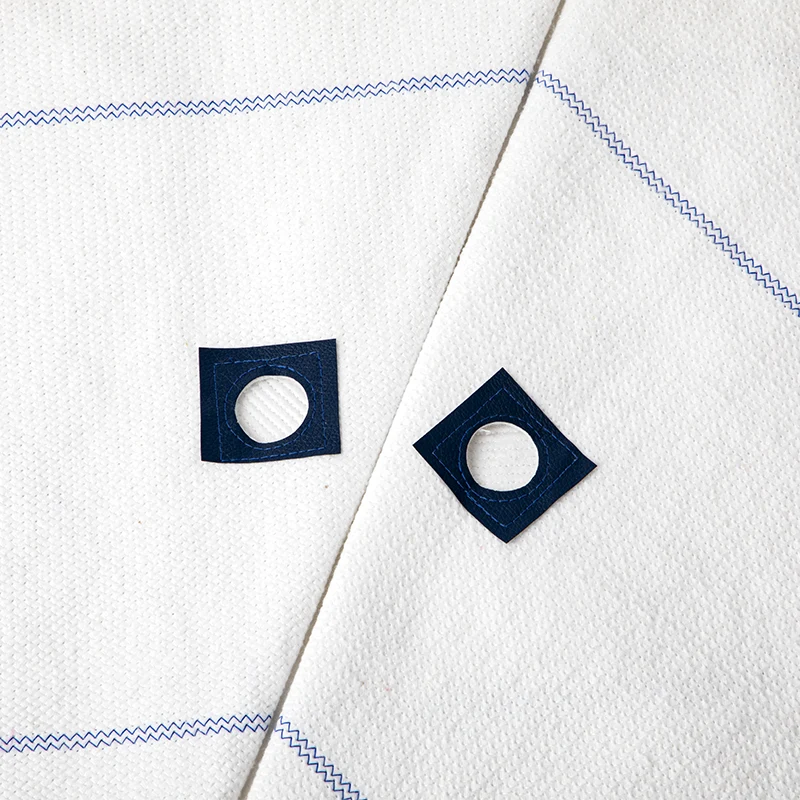
Many cleaning textile suppliers split floor, window and skirting wiping cloths into separate SKUs, increasing warehouse stock capital occupation and sorting labor for wholesalers. This undyed white cloth fits all flat mop frames on the market, and can also be handheld to wipe window frames, baseboards and cabinet surfaces. One single product covers residential cleaning, hotel room maintenance and office facility upkeep three major demand groups, allowing distributors to reduce multi-item inventory pressure and accelerate overall goods turnover cycle.