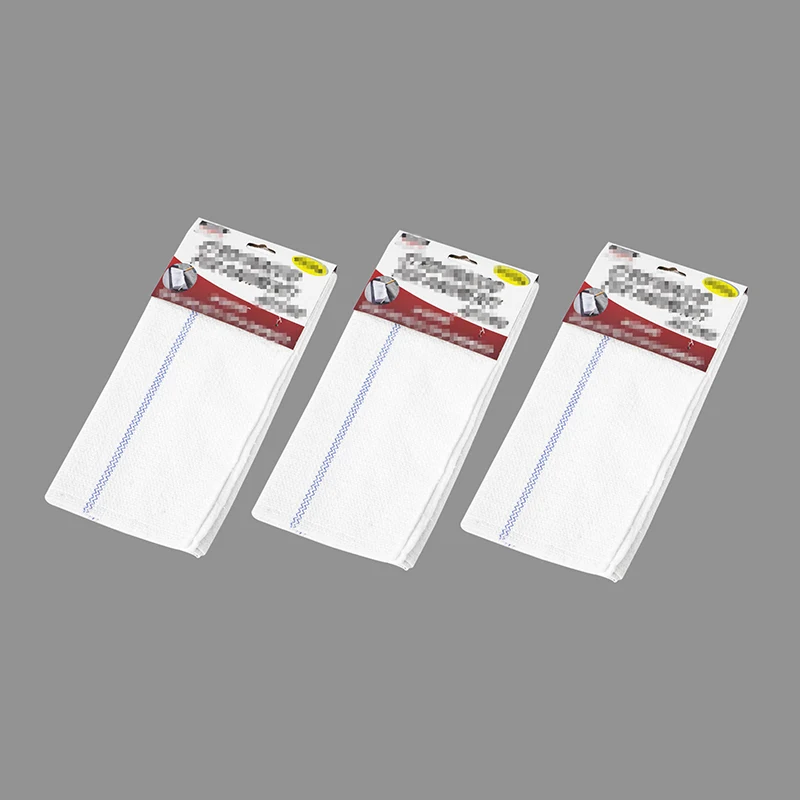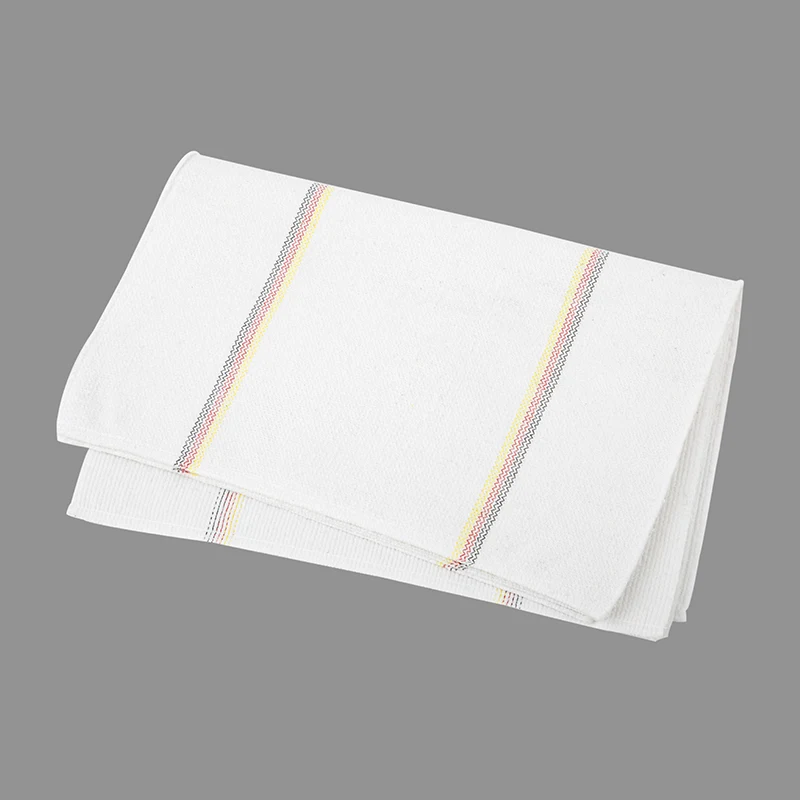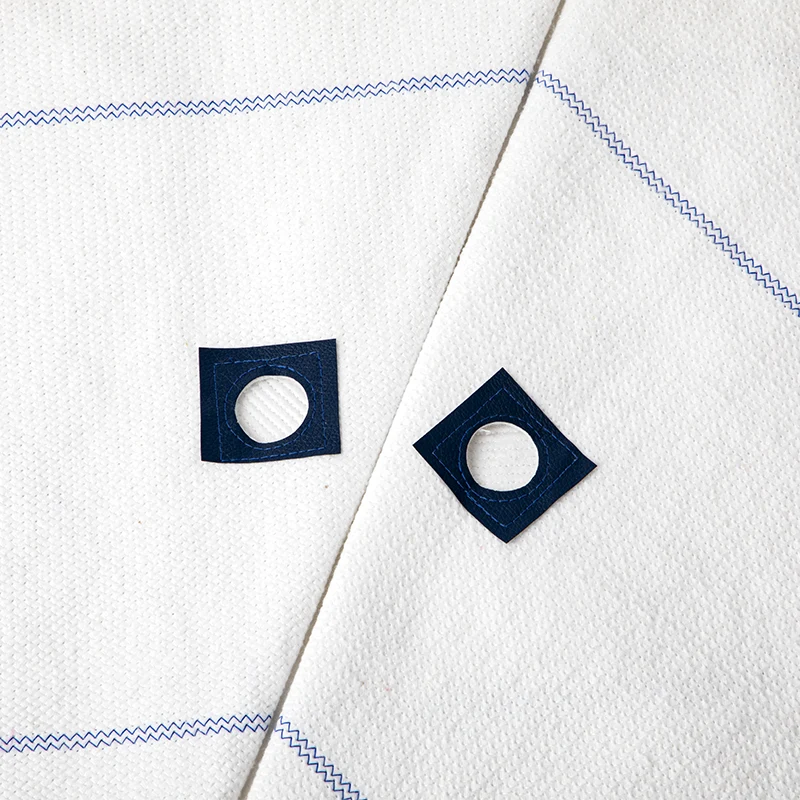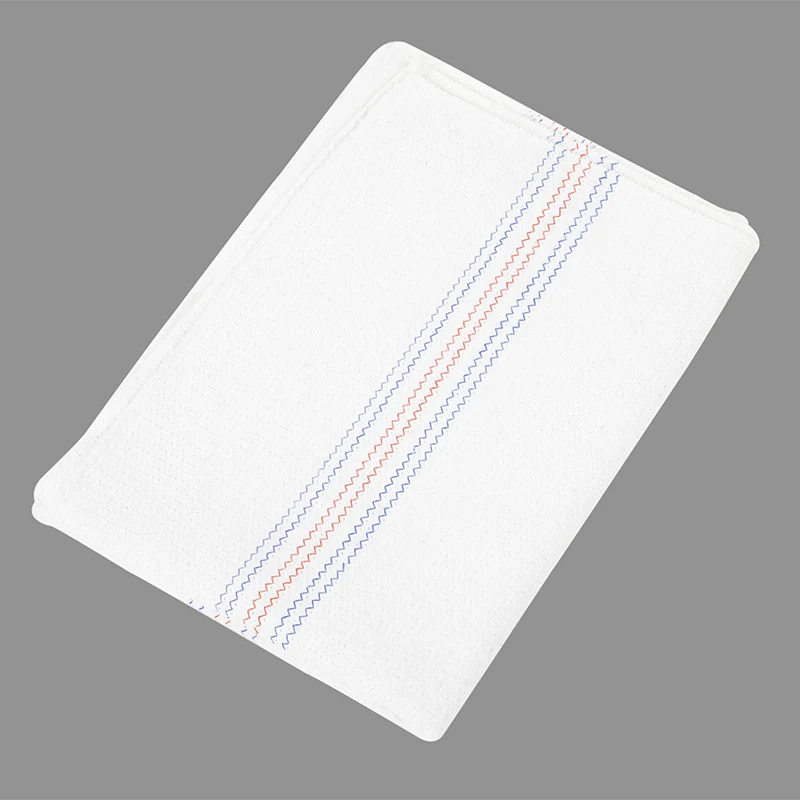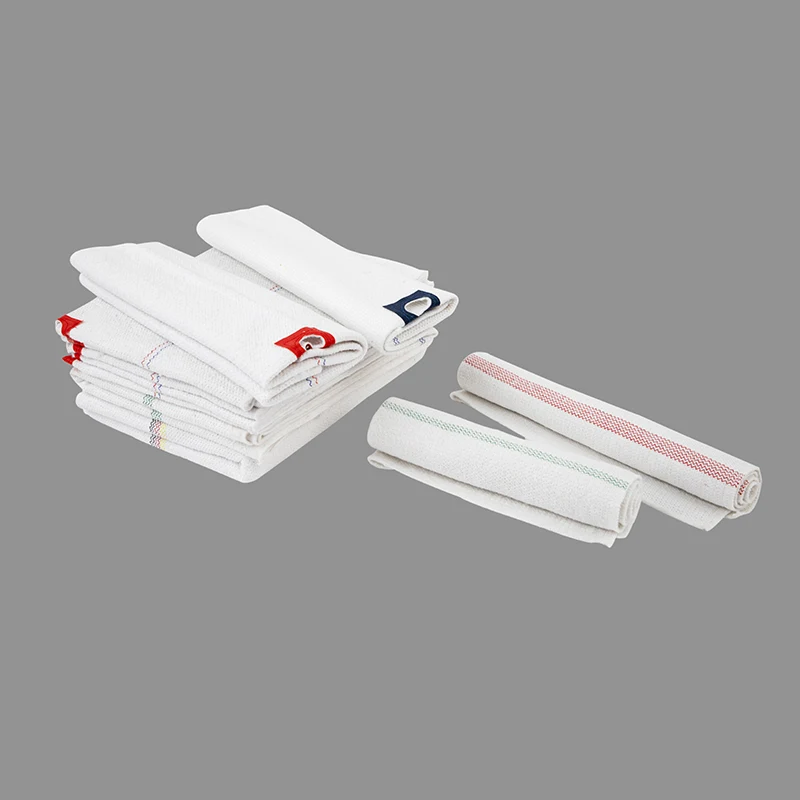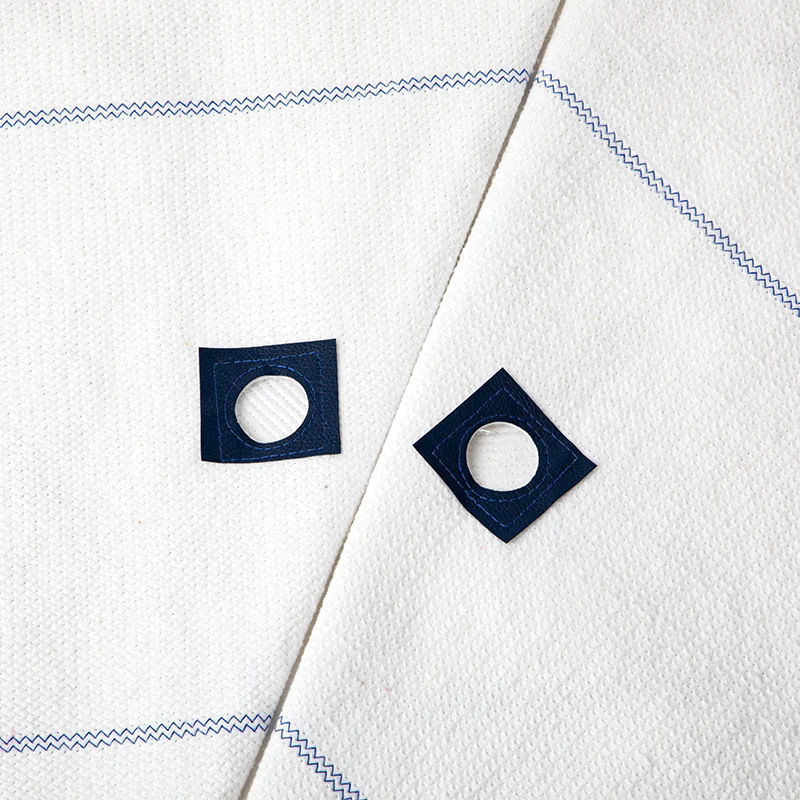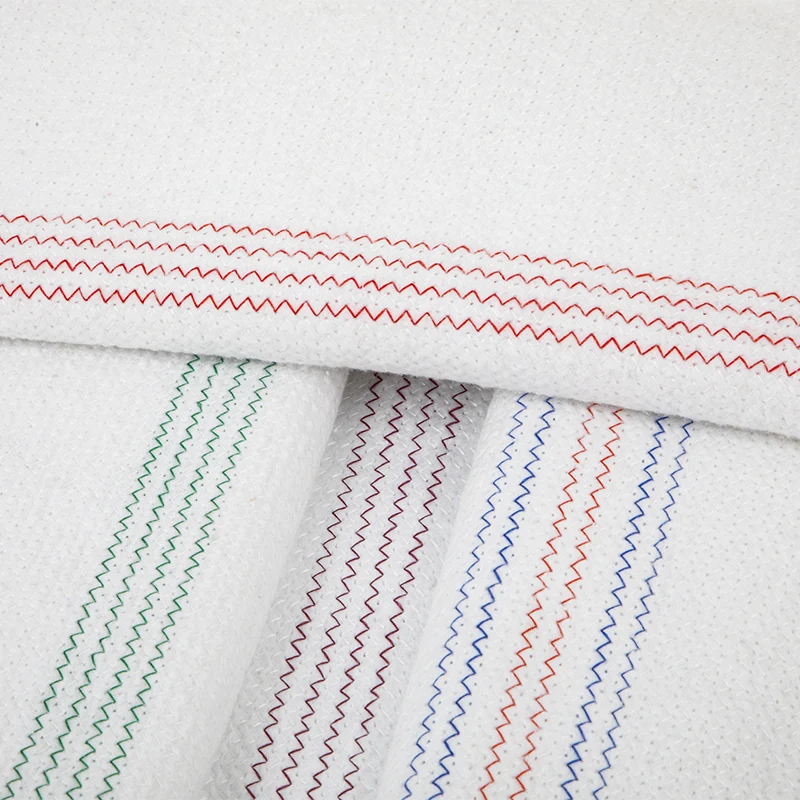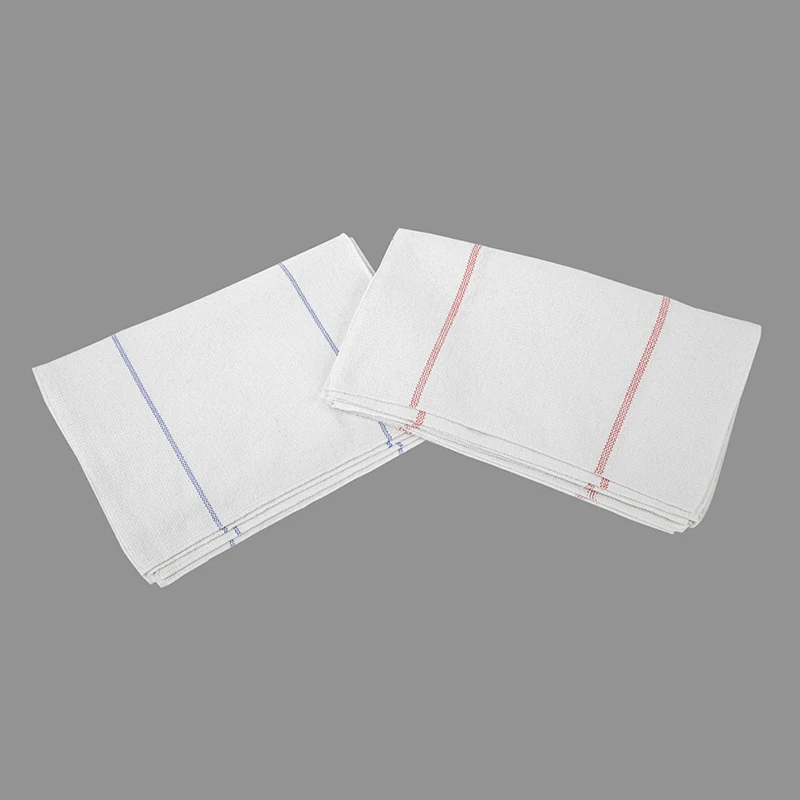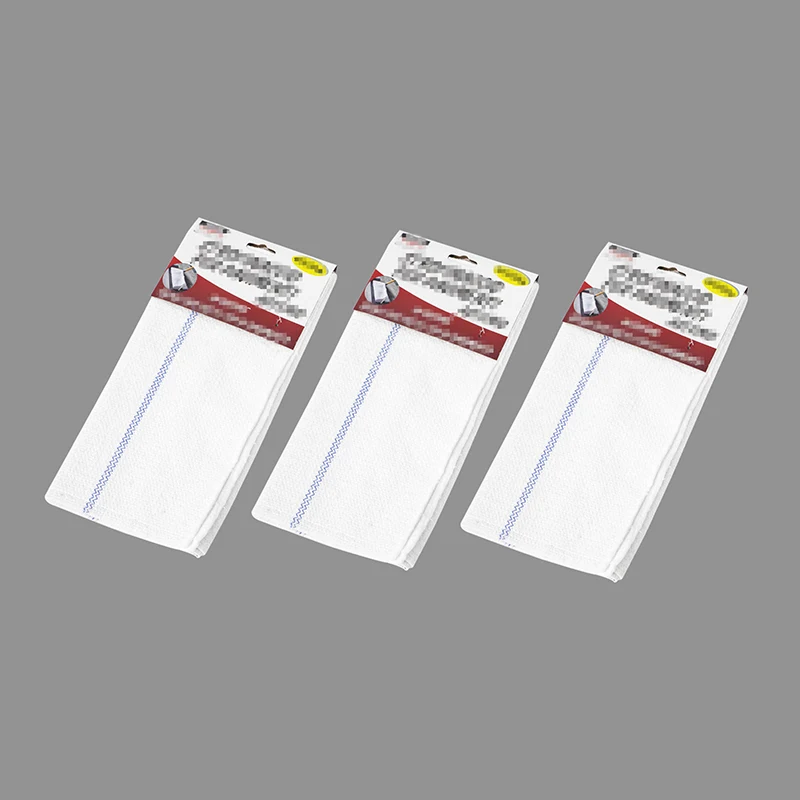
Among American households, the average household spends 6 hours a week scrubbing the floor-yet, 73% of households report that the floor still has streaks, scratches or bacterial odors. What is the culprit? They are inferior cleaning cloths. They don't remove dirt, but redistribute it. and Wenzhao Lixing Textiles Co., LTD's floor cleaning cloth technology has developed into a precision science, turning daily housework into a hygienic and environmentally friendly daily habit.
1. Micro scratches on the hardwood floor
Cheap cotton or synthetic fiber floor cleaning cloths absorb abrasive particles that can abrade the floor like sandpaper under pressure. After 12 months, this can corrode the polyurethane coating, causing the floor to need early renovation. LIXING's microfiber bamboo blend uses 0.05 mm fiber to wrap debris rather than grind it into the floor surface.
2. Bacteria breed in textiles
A study by the University of Arizona found that after three uses, the pathogen content of rayon blended floor fabrics was 400% higher than that of bamboo fiber floor cleaning fabrics. Non-antibacterial fabrics can spread E. coli and mold spores into humid environments such as kitchens. LIXING uses silver-ion fiber, which can inhibit 99.2% of microorganisms from growing again between washes.
3. Waste of water resources caused by inefficient water absorption
Ordinary cotton carpet requires wringing/re-wetting three times to clean 200 square feet of ground. Each washing cycle consumes 19 gallons of water and costs up to $142 per year for water/sewage treatment. LIXING's capillary fiber matrix can absorb stains 7 times its own weight, reducing the number of washes by 40%.
| Test Parameter | Results | Industry Standard |
|---|---|---|
| Tensile Strength | 98 N/cm² (ISO 13934) | 54–72 N/cm² |
| Wash Durability | <2% fiber loss @ 500 cycles | Degrades @ 100–200 cycles |
| Absorbency Rate | 8 mL/sec (AATCC 79) | 2–4 mL/sec |
| Antimicrobial Rate | 99.2% MRSA reduction (AATCC 100) | Unverified / N/A |
| Lint Generation | 0.03g/m² (AATCC 97) | 0.8–2.1g/m² |
| Chemical Resistance | pH 2–14 stable | Degrades @ pH <4 or >10 |
Answer: Soak in hot water at 140°F (60°C) and oxygen bleaching agent for 15 minutes, and then dry at high temperature. Bamboo fiber naturally inactivates pathogens, while our diamond-shaped woven core can withstand boiling water temperatures of up to 203°F (95°C) without shrinking.
Answer: The microfiber end of the LIXING rag has a bifurcated design that absorbs mineral deposits rather than spreading them out. Coupled with the characteristics of zero hair loss, residual films can be avoided to cause streaks/atomization
Answer: Yes-soak in the following solution: 1 part transparent ammonia + 8 parts water. Remove stubborn dirt in a one-way wiping without causing wear. The fabric's textured grooves remove contaminants that most fabrics cannot remove.